

CS
Data structures, algorithms, computer architecture, and system principles independent of a specific language or service.
Articles
19 total
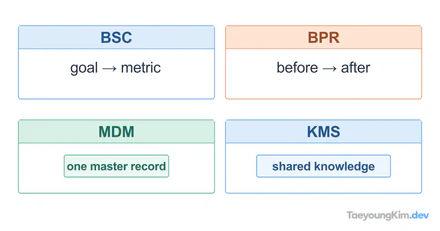
Business management vocabulary: BSC, BPR, MDM, KMS, and legacy terms
Read business frameworks and master-data terms separately from product names and local programs that may have changed.
CS3 min
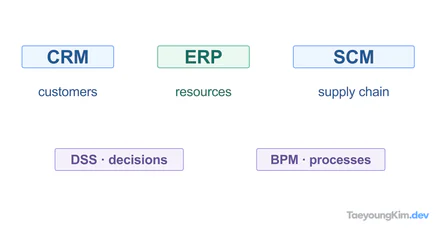
Enterprise systems vocabulary: CRM, SCM, DSS, BPM, and PLM
Identify which enterprise function each system supports, from customer relationships and supply chains to decisions and processes.
CS3 min
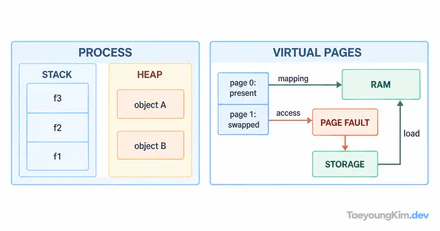
Memory vocabulary: stack, heap, paging, page fault, and thrashing
Separate program memory regions from virtual pages, page replacement, locality, and the performance cost of excessive page faults.
CS4 min
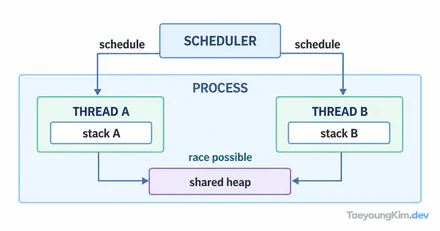
Operating System Terms: Kernel, Process, Thread, and IPC
Distinguish execution units, resource boundaries, scheduling, shared memory, and communication between processes.
CS3 min
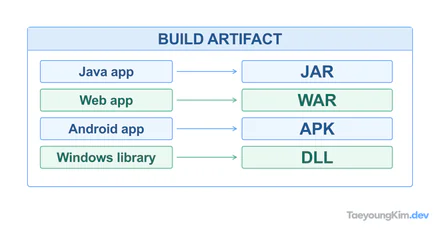
JAR, WAR, APK, DLL, Exception, and Stack Trace: Deployment Terms
Identify deployment file formats by platform and purpose, then separate an exception from its stack trace.
CS3 min
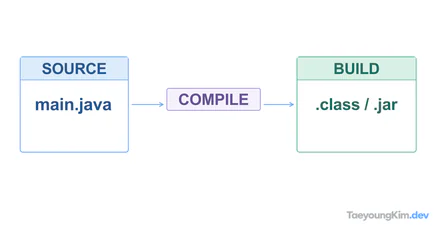
Programming and Build Terms: Compile, IDE, Maven, and Gradle
Separate code transformation, build automation, development environments, and the roles of Maven, Gradle, and Ant.
CS3 min
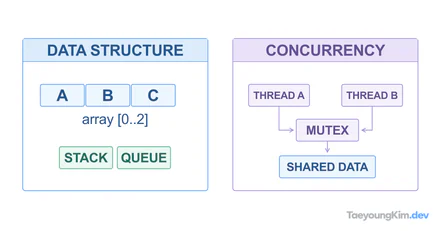
Data Structures and Concurrency Terms: Stack, Queue, Mutex, Deadlock
Distinguish data structures such as arrays, stacks, and trees from coordination terms such as mutexes, semaphores, and deadlocks.
CS4 min
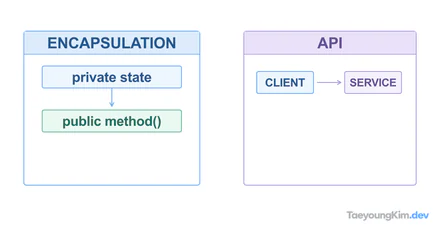
OOP and integration vocabulary: Encapsulation, API, SOAP, and RPC
Separate object-oriented concepts inside a program from APIs, messages, and middleware that connect systems.
CS3 min
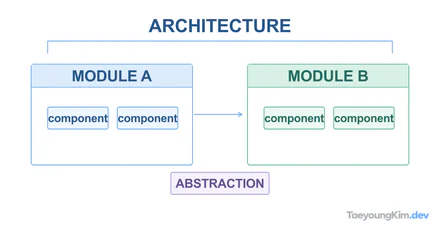
Software design vocabulary: Architecture, module, component, and abstraction
Read system architecture, modules, components, dependencies, cohesion, and related design terms by the responsibility and boundary each describes.
CS4 min